Pest Control for Homeowners: A Complete Guide to Termites
What is the best way for homeowners to handle termites?
The most effective pest control for homeowners dealing with termites is a combination of early detection, preventative maintenance, and professional termite treatment. While some DIY pest control methods can help reduce risk, termites often require a pest control professional to fully eliminate an infestation and prevent long-term damage.
Why Termites Are One of the Biggest Pest Problems for Homeowners
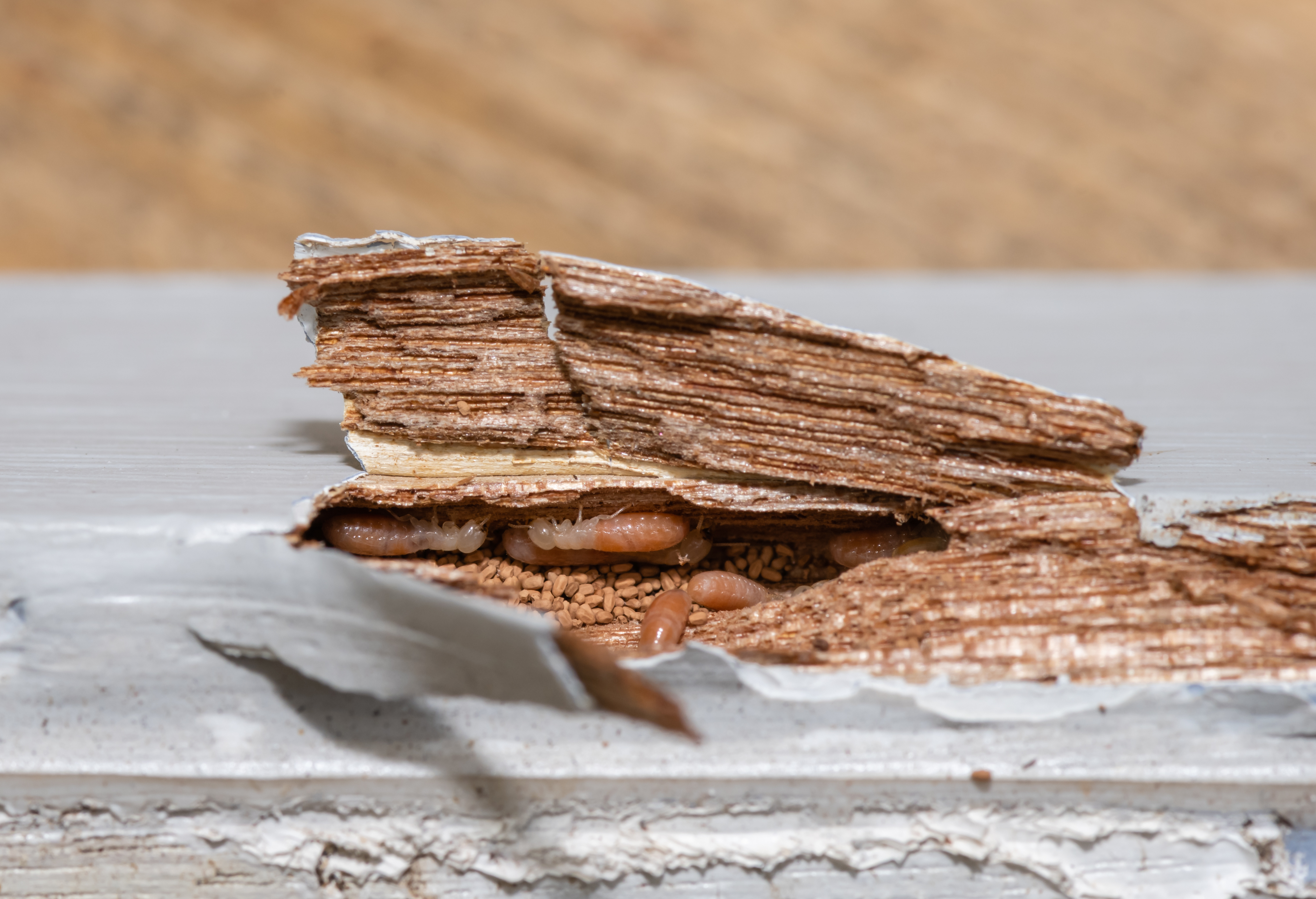
For many homeowners, termites are one of the most damaging pest problems because they work quietly behind walls, under floors, and inside structural wood. Unlike pests such as wasps or cockroaches, termites can go unnoticed for months — or even years.
A termite infestation can lead to:
- Structural damage to your home
- Costly repairs
- Decreased property value
Because termites feed on cellulose (found in wood and other materials), your home essentially becomes a food source if left unprotected.
This is why proactive termite control, regular inspections, and year-round pest control matter so much.
Common Signs of a Termite Infestation
Knowing the warning signs early can make all the difference.
Visible Warning Signs
- Mud tubes along foundations or walls
- Discarded wings near window sills or doors
- Hollow-sounding wood
- Small piles of frass (termite droppings)
Less Obvious Indicators
- Tight-fitting doors or windows
- Bubbling paint that looks like water damage
- Soft or weakened wood
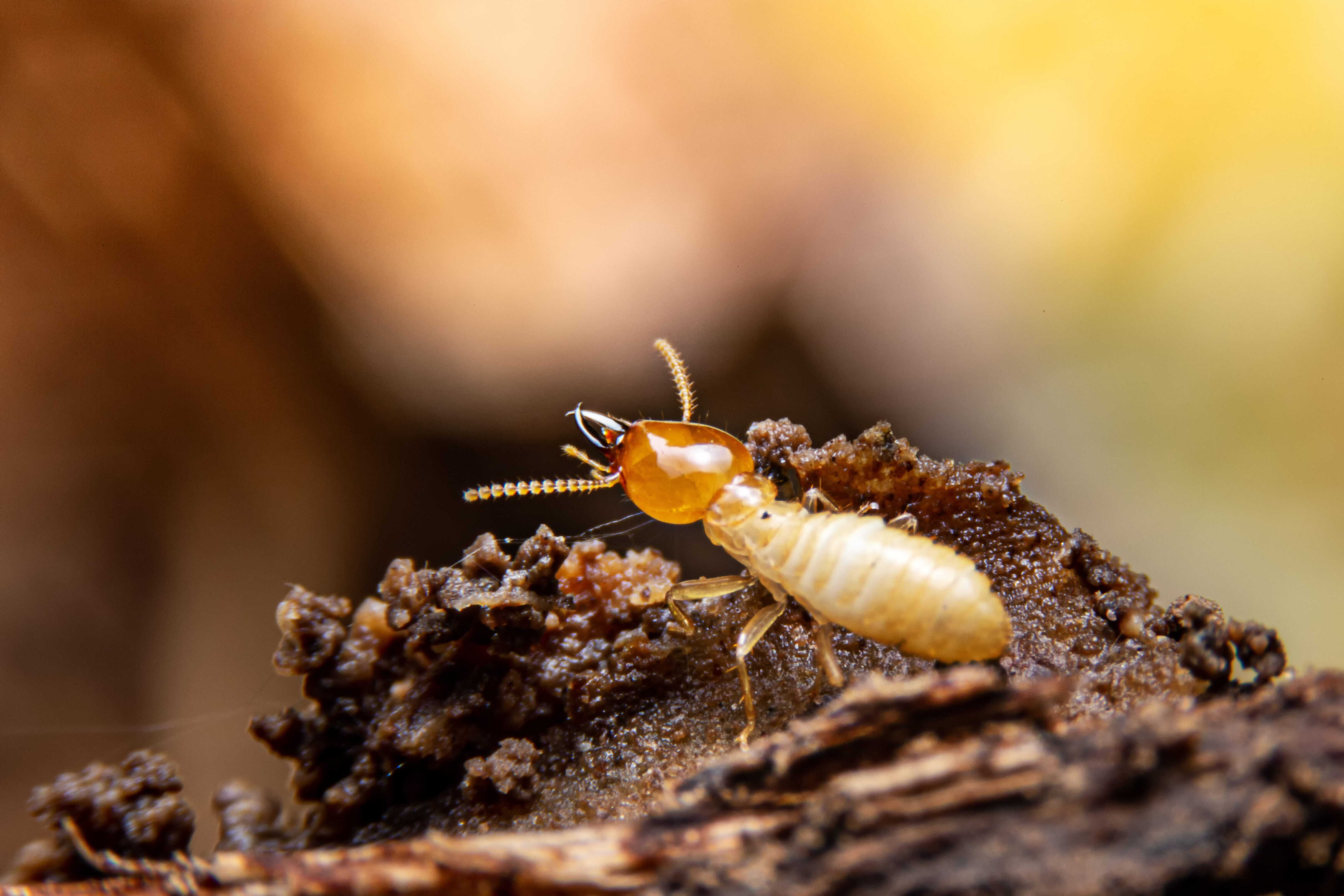
You may also notice flying termites or confuse them with flying ants during termite swarming season. These winged reproductive termites (also called alates or swarmers) are a major sign of termite activity and the formation of new colonies.
If you notice any of these signs of termite activity, it’s time to call a pest control company for a termite inspection before the problem spreads.
Types of Termites Homeowners Should Know
Understanding the type of termite helps determine the right treatment approach.
Subterranean Termites
The most common termite species in Georgia, especially eastern subterranean termites. They live underground and build mud tubes to reach food sources.
Drywood Termites
These termites live directly inside wood and don’t require soil contact.
Dampwood Termites
Typically found in high-moisture areas like basements, crawl spaces, or poorly ventilated areas.
Formosan Termites
An aggressive type of subterranean termite found in warmer regions like Florida and parts of the Southeast. Known for causing severe structural damage quickly.Each type of termite requires a specific termite control strategy.
DIY Pest Control vs. Professional Pest Control Services
DIY Pest Control
DIY methods like bait stations or sprays may:
- Help monitor termite activity
- Provide temporary relief
- Reduce minor infestations
However, they rarely eliminate the entire termite colony — especially when dealing with subterranean termites or hidden infestations.
Professional Pest Control
Professional pest control companies can provide:
- Comprehensive termite inspections
- Customized termite treatment plans
- Access to advanced tools and products
- Long-term termite prevention and monitoring
For active infestations, working with a pest control professional is almost always the best path to real results and peace of mind.
Termite Treatment Options for Homeowners
There are several proven termite treatment options available.
Liquid Termite Treatments
Create a protective barrier around your home to block entry points.
Bait Stations
Target termite colonies directly and eliminate them over time.
Wood Treatments
Treat infested wood areas directly with specialized products.
The right termite control method depends on the severity of the problem and your home’s structure.
How to Prevent Termites Year-Round
Termite prevention is key, and it’s something homeowners can actively manage.
Reduce Moisture Around Your Home
- Fix leaks and drainage issues
- Keep gutters clean
- Avoid standing water near your foundation
Eliminate Easy Food Sources
- Store wood and mulch away from your home
- Avoid wood-to-soil contact
- Keep crawl spaces dry and ventilated
Seal Entry Points
- Seal cracks and gaps around windows, doors, and foundations
- Protect utility line openings
Schedule Regular Inspections
Routine termite inspections — consider a free termite inspection from a local company — can catch issues before they turn into major infestations.
Why Year-Round Pest Management Matters
Termites don’t go away during a certain time of year. While termite swarms are more common during swarm season, activity can happen anytime.
A year-round pest control plan helps protect your home from termites, bed bugs, cockroaches, wasps, and other common pests.
Consistent service from pest control companies helps detect early warning signs and prevent serious infestations.
When to Call a Pest Control Company
You should contact a pest control professional if:
- You see termite swarmers or flying termites
- You notice mud tubes or other signs of termite activity
- You’ve had a past termite problem
- DIY pest control isn’t working
Early action can prevent structural damage and save homeowners thousands in repairs.
Frequently Asked Questions
How often should homeowners get termite inspections?
At least once per year, or more frequently in high-risk areas.
Are termite treatments safe for families and pets?
Yes, when applied by a licensed pest control professional using approved products.
Can I handle termites with DIY pest control alone?
DIY methods may help short-term, but most termite infestations require professional treatment.
What attracts termites to a home?
Moisture, accessible food sources like wood and cellulose, mulch buildup, and unsealed entry points.
Final Thoughts: Protecting Your Home from Termites
Termites are one of the most serious pest control issues homeowners face. From hidden termite colonies to visible termite swarms, these pests can cause major damage if ignored.
The good news? With proper termite prevention, regular inspections, and professional termite treatment, you can protect your home and avoid long-term issues.
If you’re unsure where to start, working with a trusted pest control company can give you the confidence — and peace of mind — you need.