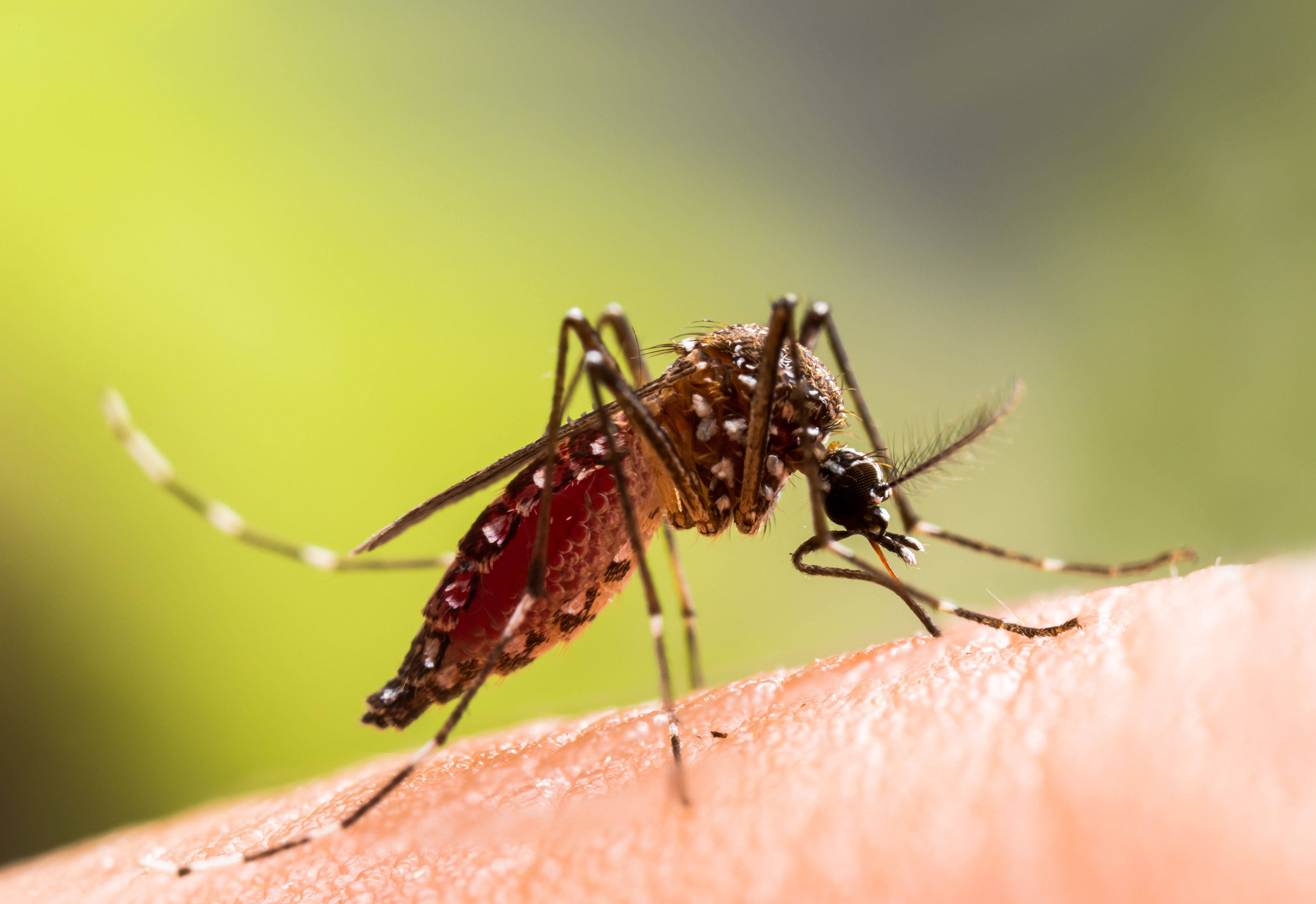
Seasonal Pest Prevention: How to Keep Mosquitoes From Taking Over Your Yard

Most homeowners don’t think about pest control until they see a problem. When that problem is mosquitoes, things can get tricky.
Mosquitoes are one of the most predictable seasonal pests we deal with every year. Their activity follows the weather, and once temperatures start rising, their breeding cycle moves fast. If you wait until your backyard is full of them, you’re already behind.
Seasonal pest prevention is about timing. And when it comes to mosquitoes, timing makes all the difference.
Why Mosquitoes Are a Seasonal Pest Problem
Mosquitoes are warm-weather pests. As spring and summer arrive, rising temperatures and increased humidity create ideal breeding conditions.
Unlike termites or cockroaches that may stay active indoors year-round, mosquitoes are heavily influenced by the seasons. That’s why seasonal pest control matters. A proactive plan before peak mosquito season can dramatically reduce infestation pressure later on.
Female mosquitoes lay eggs in standing water. Those eggs can hatch in as little as 24 to 48 hours. That means one week of neglect around your property can quickly turn into a noticeable mosquito problem.
For homeowners, this isn’t just about comfort. Mosquitoes can carry diseases and make it difficult to enjoy your yard, deck, or patio.
Where Mosquitoes Breed Around Your Home
Most mosquito infestations start closer to home than people realize. You don’t need a pond or creek nearby. A few inches of standing water is enough.
Common breeding areas include:
- Clogged gutters
- Bird baths
- Flower pot trays
- Kiddie pools
- Buckets left outside
- Low spots in the yard collecting rainwater
- Drainage areas near basements
- Tarps that hold stagnant water
Gutters are especially important. When they clog, they create hidden pockets of standing water that are ideal for mosquito larvae.
Basements, crawl spaces, attics, and storage areas can also contribute if moisture levels are high.
This is where seasonal pest inspection overlaps with basic home maintenance. Removing water sources disrupts the mosquito life cycle before it becomes an infestation.
Simple Preventive Measures Homeowners Can Take
There are practical pest control steps every homeowner can follow to reduce mosquito activity.
- Eliminate standing water weekly. Inspect your property after heavy rain and dump anything collecting water.
- Clean gutters regularly. Proper drainage prevents hidden breeding areas.
- Seal potential entry points. Repair torn screens and caulk cracks around doors and windows.
- Reduce hiding spots. Trim shrubs and keep grass maintained. Mosquitoes rest in shaded, humid areas during the heat of the day.
- Address drainage issues near basements. Poor drainage creates damp conditions that attract seasonal pests.
These preventive measures help, but they are often not enough during peak mosquito season. Once activity increases, professional pest management becomes more effective.
Why DIY Mosquito Control Often Falls Short
Many homeowners try store-bought sprays, citronella candles, or foggers. These may reduce mosquito activity temporarily, but they rarely address the root cause.
Mosquito control is not just about killing adult mosquitoes. It is about interrupting the breeding cycle and treating high-risk areas consistently throughout the season.
Without a structured seasonal pest control plan, mosquitoes can quickly return. That is why many professional pest control companies recommend regular inspections during peak months rather than one-time visits.
A targeted pest prevention program focuses on:
- Treating breeding zones
- Reducing larvae development
- Addressing shaded resting areas
- Monitoring changes in pest activity as temperatures rise
This approach keeps mosquito populations controlled instead of reacting after they ramp up.
The Importance of Acting Early
One of the biggest mistakes homeowners make is waiting until mosquitoes become unbearable.
By that point:
- Eggs have already hatched
- Multiple breeding cycles may have occurred
- The infestation is larger and harder to control
Seasonal pest prevention works best before peak activity begins. Early spring is ideal for starting mosquito treatments. That way, when neighbors begin noticing increased pest activity, your yard is already protected.
It is much easier to prevent an infestation than to reverse one.
Protecting Your Home and Outdoor Living Spaces
Your yard should be usable. Cookouts, evenings on the patio, and kids playing outside all become difficult when mosquitoes take over.
Effective seasonal pest control allows homeowners to enjoy outdoor spaces without constant swatting or relying on heavy sprays.
At Shane’s Pest Solutions, the focus is on proactive pest management. That means identifying risk areas around your property, treating strategically, and adjusting treatments as the season progresses.
Mosquito control is not a one-time event. It is a seasonal strategy.
How Mosquitoes Fit Into a Broader Pest Control Strategy
Mosquitoes are only one piece of seasonal pest prevention. As temperatures shift, other pests become active too.
Termites begin swarming in warmer weather. Cockroaches increase movement as humidity rises. Wasps start building nests. Each of these pests follows predictable patterns based on climate and time of year.
That is why year-round integrated pest management is often more cost-effective than reacting to separate pest problems throughout the year. A comprehensive pest control plan protects against multiple seasonal pest threats before they become full infestations.
By addressing entry points, moisture issues, food sources, and hiding spots, you reduce the likelihood of multiple pest problems at once.
Final Thoughts on Seasonal Pest Prevention
Mosquitoes are predictable. They thrive in warm weather, need standing water to breed, and multiply quickly when conditions are right.
The good news is that seasonal pest prevention works.
By eliminating standing water, sealing entry points, maintaining gutters, and partnering with a reliable pest control company, homeowners can dramatically reduce mosquito infestations.
If you are already noticing increased pest activity, now is the time to act. The sooner you begin pest control services, the easier it is to maintain a pest-free home for the rest of the year. Contact us to learn how we can help.
.jpg)